
The athlete's breakfast: options
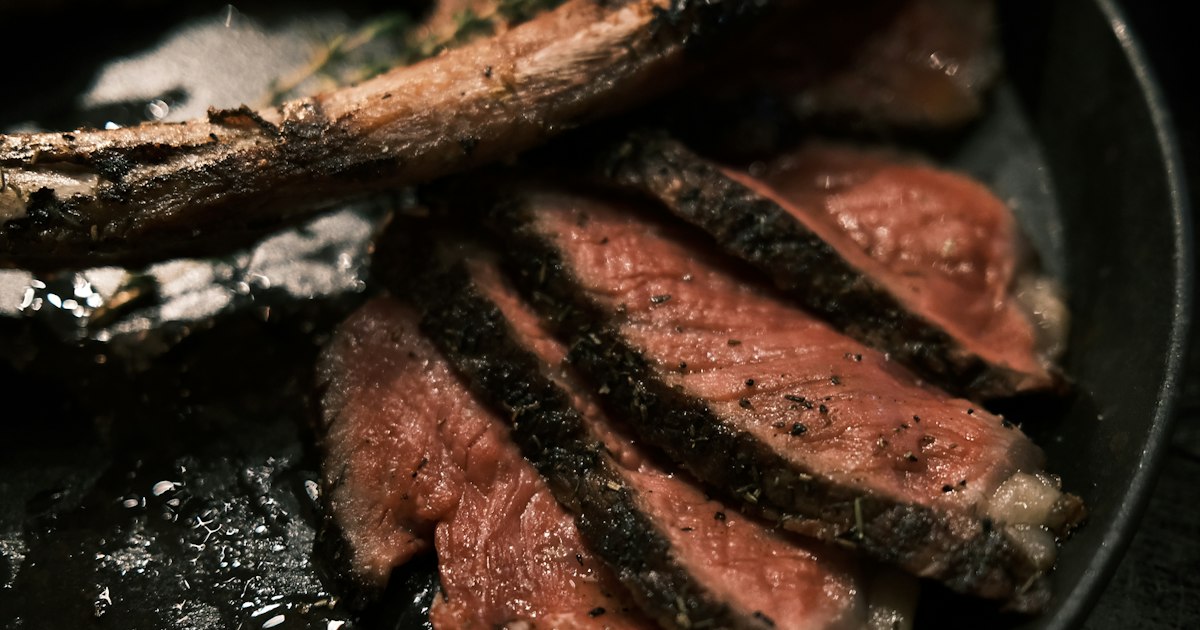
For an athlete, breakfast is not only about "fueling up for the day" but also the first protein intake after the overnight pause and, often, a pre-workout meal. The editorial team reviewed what science says about breakfast and gathered practical options for different goals and training schedules.
Is breakfast mandatory
The phrase "breakfast is the most important meal of the day" is repeated so often that it is taken as an axiom. But the scientific evidence is more complex. A randomized study by Betts and colleagues (2014) in lean adults showed that daily breakfast increased physical activity in the morning but did not substantially change energy balance or health markers over six weeks compared with skipping breakfast.
A systematic review and meta-analysis by Sievert and colleagues (2019) in the BMJ concluded that adding breakfast is not a reliable weight-loss strategy: in randomized trials, those who ate breakfast consumed slightly more calories per day. In other words, for the average person breakfast is a matter of convenience, not of "kick-starting the metabolism".
For an athlete the situation is different. Here what matters is not whether to eat breakfast at all, but how breakfast relates to training and to the daily requirement for protein and carbohydrates. If training is in the morning, breakfast effectively becomes a pre-workout meal; if it is later in the day, it is the first of several protein meals.
A review by Clayton and James (2016) emphasizes that skipping breakfast can impair performance in later workouts the same day, especially prolonged ones, although some people compensate at subsequent meals. So for an athlete breakfast is a tool rather than a ritual.
What an athlete's breakfast should contain
The three pillars of an athlete's breakfast are protein, carbohydrates and fluid. Protein triggers muscle protein synthesis after the overnight pause. A study by Areta and colleagues (2013) showed that spreading protein evenly across the day's meals, roughly 20 g every few hours, stimulates muscle protein synthesis better than infrequent large portions or frequent small ones.
The ISSN position on protein (Jäger et al., 2017) recommends for most athletes about 0.25–0.4 g of protein per kilogram of body weight per meal. A typical "tea and a sandwich" often provides only 5–10 g of protein, so breakfast is most often the weakest link in the protein day.
Carbohydrates replenish liver glycogen stores, which drop substantially overnight. For a morning endurance workout this is especially important. The joint ACSM position (Thomas et al., 2016) suggests consuming 1–4 g of carbohydrate per kilogram of body weight 1–4 hours before exercise, depending on the duration and intensity of the upcoming work.
Fluid is the third element, often forgotten. After the night the body is in a mild fluid deficit, so a glass or two of water, tea or coffee with breakfast is a simple way to start the day in a better state of hydration.
Fats and fiber make breakfast more satiating but slow digestion. If training is imminent, their amount should be limited to avoid a heavy stomach.
Breakfast options for different goals
Below are a few breakfast options the editorial team considers practical. The figures are approximate and depend on portion size and the specific products.
| Option | Composition (example) | Protein, g (approx.) | Who it suits |
|---|---|---|---|
| Oatmeal with protein | Rolled oats, a scoop of protein, berries, nuts | 30–35 | Mass gain, daytime workout |
| Omelet and whole-grain bread | 3 eggs, vegetables, 2 slices of bread, cheese | 25–30 | All-purpose option |
| Greek yogurt with granola | Yogurt, granola, fruit, honey | 20–25 | Quick breakfast, cutting |
| Cheese pancakes or cottage cheese | Cottage cheese, banana, jam | 25–30 | Inexpensive protein option |
| Rice porridge with tofu (vegan) | Rice, tofu, vegetables, soy sauce | 20–25 | Plant-based eating |
| Smoothie before an early workout | Milk or kefir, banana, protein, oats | 25–30 | Little time before training |
Oatmeal remains a classic for good reason: it is cheap, filling and easily combined with protein supplements. If training is an hour or two away, quick-cooking flakes and fewer nuts will reduce the risk of discomfort.
Eggs are one of the most convenient sources of high-biological-value protein. For those watching calories, some of the whole eggs can be replaced with egg whites.
A liquid breakfast in the form of a smoothie or shake is a good choice for those who have no appetite in the morning or who train very early. Liquid leaves the stomach faster than solid food.
Breakfast and training time
The most important practical question is how much time passes between breakfast and exercise. The shorter the gap, the smaller and lighter the meal should be.
- Training in 3–4 hours:a full breakfast with protein, complex carbohydrates, vegetables and a moderate amount of fat.
- Training in 1–2 hours:a lighter meal — yogurt with fruit, toast with honey and a protein shake.
- Training in less than an hour:a banana, a sports drink or a small smoothie; the main breakfast comes afterward.
- Fasted training:acceptable for short, easy sessions; afterward, a breakfast with protein and carbohydrates.
The ISSN position on nutrient timing (Kerksick et al., 2017) notes that for strength training the total daily amount of protein and calories matters more than the exact timing of intake. For prolonged endurance work, pre-exercise carbohydrate intake matters more.
The stomach's response is highly individual. Some athletes comfortably run an hour after oatmeal, others need three hours. New options should be tested on training days, not before competitions.
Common mistakes
The first mistake is a "carbohydrate" breakfast without protein: sugary cereal with milk, a croissant with coffee, a sandwich with jam. Such a meal provides energy but almost no protein, and by lunchtime the person is hungry again.
The second is too heavy a breakfast right before training: greasy eggs with bacon half an hour before an interval run guarantees discomfort. The third is skipping breakfast followed by overeating in the evening, which complicates both protein distribution and calorie control.
The fourth mistake is over-reliance on ready-made "fitness" products: bars and granola high in sugar. They are convenient but inferior to regular food in satiety and composition.
Finally, coffee alone instead of breakfast. Caffeine temporarily suppresses appetite and boosts concentration, but provides neither protein nor carbohydrates for training.
Editorial conclusions
For an athlete, breakfast is not a mandatory ritual but an important tool: it helps distribute protein evenly, replenish liver glycogen and prepare for training.
The basic formula is 20–40 g of protein, carbohydrates depending on the training load, and fluid. The closer the workout, the smaller and lighter the meal should be.
Oatmeal with protein, an omelet with whole-grain bread, yogurt with granola, cottage cheese or a smoothie — simple options that can be adapted to any goal.
Also read our articles on snacks for mass gain, coffee and training, and protein distribution throughout the day.
References
- Thomas DT, Erdman KA, Burke LM. American College of Sports Medicine Joint Position Statement. Nutrition and athletic performance. Med Sci Sports Exerc. 2016;48(3):543–568.
- Kerksick CM, Arent S, Schoenfeld BJ, et al. International Society of Sports Nutrition position stand: nutrient timing. J Int Soc Sports Nutr. 2017;14:33.
- Jäger R, Kerksick CM, Campbell BI, et al. International Society of Sports Nutrition Position Stand: protein and exercise. J Int Soc Sports Nutr. 2017;14:20.
- Areta JL, Burke LM, Ross ML, et al. Timing and distribution of protein ingestion during prolonged recovery from resistance exercise alters myofibrillar protein synthesis. J Physiol. 2013;591(9):2319–2331.
- Betts JA, Richardson JD, Chowdhury EA, et al. The causal role of breakfast in energy balance and health: a randomized controlled trial in lean adults. Am J Clin Nutr. 2014;100(2):539–547.
- Sievert K, Hussain SM, Page MJ, et al. Effect of breakfast on weight and energy intake: systematic review and meta-analysis of randomised controlled trials. BMJ. 2019;364:l42.
- Clayton DJ, James LJ. The effect of breakfast on appetite regulation, energy balance and exercise performance. Proc Nutr Soc. 2016;75(3):319–327.
Andriy Melnyk
A strength-sports coach and author of programs for beginner and intermediate levels. Writes about training planning.